




August 20, 2026
The Complete Guide to Carhartt Men’s Work Pants:
Fits, Fabrics, and Features
When a job demands durability, mobility, and comfort, the right pair of work pants can make all the difference. Carhartt men’s work pants are built to handle tough environments with purpose-driven design, durable materials, and practical features that support real work.
From understanding fits and fabrics to choosing the right pants for your trade, this guide breaks down everything you need to know to find the best work pants for the job. You’ll also learn how to extend the life of your gear through proper care, repairs, and trade-in options with Carhartt Reworked.
Jump To:
Carhartt Men’s Work Pants Fits Explained

Slim Fit
Many jobsites present snag hazards from machinery and tools. Slim fit pants are a great option that can help reduce the chances of snagging. The more tailored appearance can also transition well from the jobsite to client meetings.
Slim Straight Fit
- Mid-rise sits just below the waist
- Closer fit with straight leg from knee to hem
Slim Tapered Fit
- Mid-rise sits just below the waist
- Closer fit with taper starting at mid-thigh
Quick Answer: What are slim fit work pants best for?
Slim fit work pants are best for slimmer builds and for jobs where you want less bulk and more streamlined movement, especially in tight spaces or equipment-heavy environments and where excess fabric can increase snag risk.
Shop men’s slim fit pants Shop men’s slim fit pants

Relaxed Fit
Our relaxed fit work pants offer more room for ease of movement with a versatile appearance that can easily transition from the jobsite to client meetings to catching up with the crew after work.
Relaxed Straight Fit
- Mid-rise sits just below waist
- Roomy fit without feeling baggy
- Hem fits over boots
Relaxed Bootcut Fit
- Low rise sits below waist
- Narrows gradually from knee to thigh
- Widens from knee to hem to fit comfortably over boots
Relaxed Tapered Fit
- Low rise sits below waist
- Roomy fit with narrower taper starting at mid-thigh
- Slight taper from mid-thigh to hem
Quick Answer: What are relaxed fit work pants best for?
Relaxed fit work pants are everyday work pants that balance durability, performance, and presentation. Relaxed fit offers extra room in the seat and thigh compared to the slim fit without feeling baggy.
Shop men’s relaxed fit pants Shop men’s relaxed fit pants

Loose Fit
Designed for maximum mobility, our loose fit work pants provide plenty of room to move and fit easily over base layers and work boots. They’re ideal for demanding jobs that require climbing, bending, and crouching and workers who prefer a roomier fit for all-day comfort.
- Generous cut through seat and thigh
- Straight leg from knee to hem
Quick Answer: What are loose fit work pants best for?
Loose fit work pants allow maximum freedom of movement compared to slim and relaxed fit work pants. They’re ideal for jobs where you need to bend, stretch, crouch, kneel, and reach without restriction and environments where the excess material won’t be an issue.
Shop men’s loose fit pants Shop men’s loose fit pants

Rise & Leg Openings Explained
These seemingly small fit details can make a big difference day to day.
Rise
Rise is where work pants hit the waist. Most sit at, below, or above the waist with slight variations depending on the style. The higher the rise, the better the coverage. The lower the rise, the greater the mobility. Mid-rise balances comfort and movement.
Leg openings
Leg openings can range from narrower with slim to wider with boot cut. Regardless of the opening, all of our leg openings are designed to fit over most work boots.

Carhartt Men’s Work Pants Fabrics Explained


Firm Duck: Our Iconic Work Pant Material
Our iconic firm duck material features a traditional, structured feel that breaks in naturally over time for a custom fit that suits you and your work. The thick, durable cotton construction resists abrasion and wear for heavy-duty jobs and long-term durability.


Washed Duck: Carhartt Durability With Less Break-In
Washed duck is pre-washed for a softer feel meaning you get the legendary durability of our iconic firm duck with day-one comfort. It will still hold up to demanding tasks, but doesn’t require the break-in so you can hit the ground running.


Denim: A Durable Workwear Classic
Denim is a workwear classic for a reason. Not only is it both durable and comfortable, it’s also versatile in that it can do just about anything - working just as well on the job site as it does off the clock.


Canvas: Durable Comfort with Flexibility
Canvas balances toughness and everyday comfort. Available in a range of fabric weights with a looser weave, canvas work pants will have a less structured feel than firm duck or rigid denim and are great for everyday work that prioritizes mobility over long days.


Twill: Comfortable with Utility Built In
With an even softer handfeel and less structured build than firm duck, rigid denim, and canvas, twill prioritizes comfort and presentability with a less textured appearance that’s ideal for uniforms or working with clients.


Rugged Flex™
Rugged Flex™ stretch fabrics help maximize your mobility without sacrificing durability. Many of our traditional fabrics like duck, canvas, twill, and others are available with Rugged Flex™ built in. They’re best for active work that requires climbing, bending, and crouching.


Ripstop: Built to Resist Tearing
Ripstop fabrics are designed with a special weave that helps to keep tears from spreading. Ripstop is a strong option for demanding environments where snag and puncture risks are higher.


Built for the Cold: Lined Options
Best for cold weather and outdoor work, fleece, or flannel lined work pants add warmth without compromising function.
Performance Fabrics and Technologies
Many Carhartt work pants include advanced materials and technologies like designed to improve comfort and performance throughout the day, including
- Moisture-wicking materials
- Breathable fabrics
- UV protection
- Water-repellent finishes
Carhartt Men’s Work Pants Features Explained
Double-Front Construction
Best for construction, flooring, and mechanical work, double-front work pants are built for durability where it matters most. With an extra layer of fabric at the front of the leg, they’re designed to stand up to repeated stress from kneeling, crouching, and working on rough surfaces.
Shop Men’s Double Front PantsFlame-Resistant (FR) Protection
Flame-resistant work pants are designed to help protect against heat and flame exposure and are best for electrical work, welding, and the energy sector. They’re built with flame-resistant materials and meet safety requirements for certain job types.
Shop FR Work PantsUtility Pockets and Tool Storage
The best work pants are designed to function like part of your tool kit. Purpose-built storage like dedicated utility pockets keep essentials close at hand and easy to access.
Triple-Stitched Seams
Seams are one of the most common failure points in workwear. Triple-stitched seams reinforce key stress points, helping prevent blowouts and failure over time. They’re designed to handle strain due to pulling, stretching, and repeated motion, improving the long-term durability.
Cargo Pockets
Cargo pockets add another level of storage, especially for workers who work out in the field and need to carry all of their equipment on them.
Cell Phone Pockets
Modern work pants are designed with how you actually work today. Dedicated phone pockets keep your device secure without getting in the way.
Hammer Loops
A simple feature that makes a big difference. Hammer loops keep frequently used tools within reach without taking up pocket space. Hammer loops are a must-have feature for carpentry, framing, and general construction.
Utility Band
Often confused with a dedicated hammer loop, a utility band is a reinforced, durable side band that provides added utility for carrying tools and securing gear.
Breathability and Moisture Management
Breathability is essential when you’re working in warm weather for managing heat and moisture throughout the day. Look for Force Series gear featuring breathable materials for improving airflow and moisture-wicking fabrics.
Mobility Features: Built to Move
Our work pants are designed to move with you, not against you. Mobility-focused features like built-in stretch, gussets, and articulated knees help reduce restriction and improve comfort throughout the day.
Reinforced Pockets
Pockets take a lot of abuse, especially when carrying tools. Reinforced pockets with stronger materials or additional layers are built to handle weight, friction, and repeated use.
Reinforced Construction and High-Wear Zones
Beyond pockets and seams, many work pants include reinforcement in high-wear areas for enhanced durability where it’s needed most, including hems, cuffs, belt loops, and kick panels.

Choosing Men’s Work Pants By Trade
Different jobs put stress on different parts of your gear. The right pair of work pants often comes down to what you’re doing most throughout the day.
Construction and Heavy Trades
For construction, masonry, and similarly demanding jobs, durability is a top priority. These roles involve repeated contact with rough surfaces like concrete, lumber, and equipment which can wear down fabric quickly.
Look for work pants built with:
- Heavy-duty materials like firm duck
- Double-front construction for added protection at the knees
- Reinforced seams and high-wear zones
These features help prevent early breakdown in the areas that take the most abuse.
Carpentry and Framing
Carpentry work requires durability with quick access to tools. Instead of relying only on toughness, these roles benefit from pants that function like part of your toolkit.
Look for:
- Hammer loops and utility pockets
- Reinforced pocket openings
- A comfortable fit that still allows movement
The goal is to keep tools accessible while maintaining enough flexibility to stay efficient throughout the day.
Electrical, Plumbing, and Service Trades
For trades that involve frequent bending, kneeling, and working in tight spaces, mobility becomes just as important as durability.
Look for:
- Articulated knees
- Stretch fabrics like Rugged Flex™
- Lighter-weight materials if you’re moving constantly
These features help reduce restriction and fatigue over long shifts.
Landscaping and Outdoor Work
Outdoor jobs often require long hours being exposed to the elements meaning mobility, breathability, and weather protection are essential
Look for:
- Lighter-weight builds
- Moisture-wicking and water-repellent features
- UV rated shorts and pants
These options help balance comfort with performance across changing environments.
Warehouse, Delivery, and Light Duty Work
Flexibility and comfort take priority when you have to be on your feet for long shifts in multiple work environments.
Look for:
- Lighter fabrics like canvas or twill
- Stretch construction for ease of movement
- Streamlined fits that reduce bulk
These styles are built for all-day wear without adding unnecessary weight.
Cold Environment and Outdoor Trades
For jobs that continue through colder months or require working in cool environments, warmth becomes a core requirement without limiting your ability to move.
Look for:
- Lined work pants
- Durable outer fabrics like duck or canvas
- Fits that allow for layering when needed
These options help retain heat while maintaining mobility.
Work Pants Care, Repair, and Longevity
Carhartt work pants are built to last, but how you care for them can help extend their life even further. A few simple habits can keep your gear performing the way it should over time.
Work Pants Washing and Care
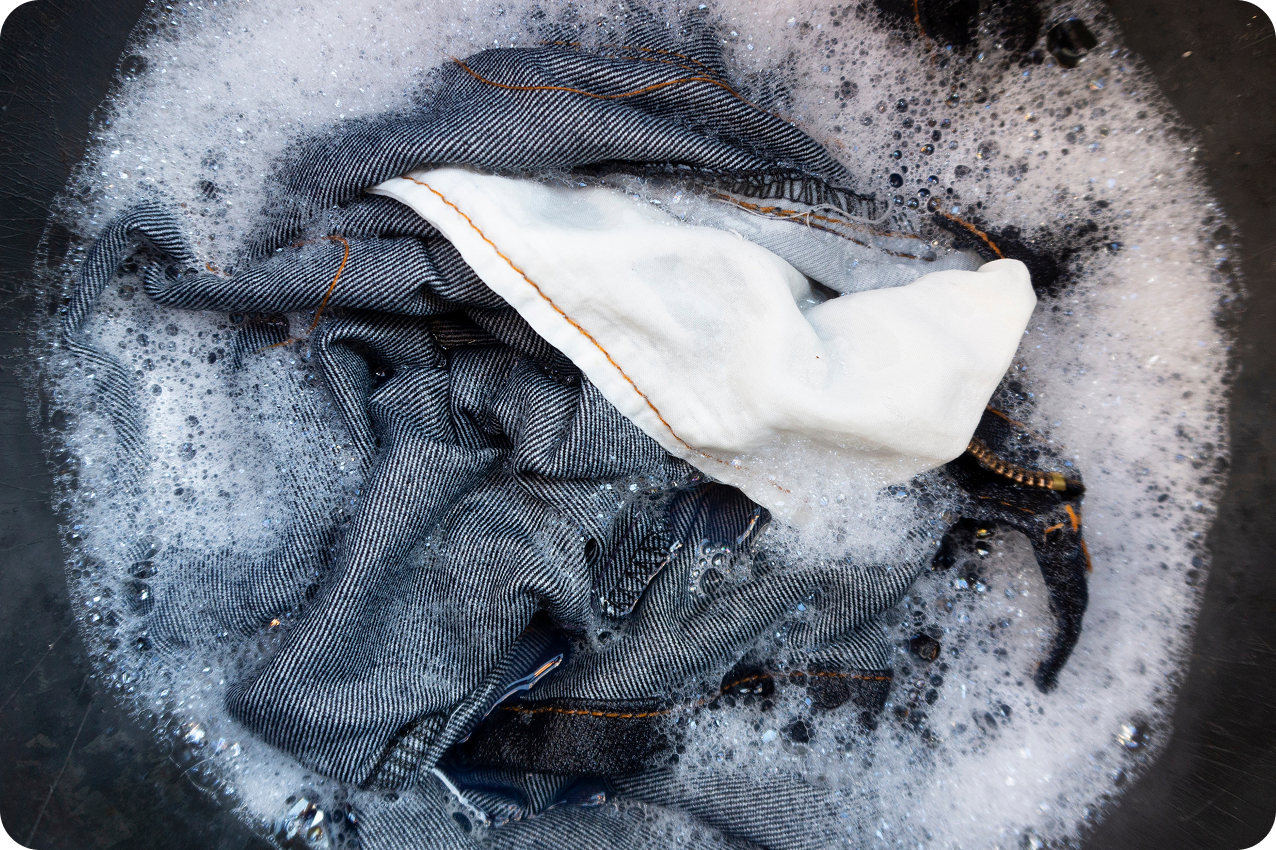
Proper care starts with the basics. Always follow the care instructions on the garment label to avoid unnecessary wear.
Using a mild detergent helps protect the fabric—especially on styles with performance finishes. Overwashing can break down fibers faster, so it’s best to wash your pants only when needed.
When it comes to drying, air drying is the safest option. If you use a dryer, stick to low heat to help maintain the integrity of the material and prevent shrinkage.
Learn More About Product Care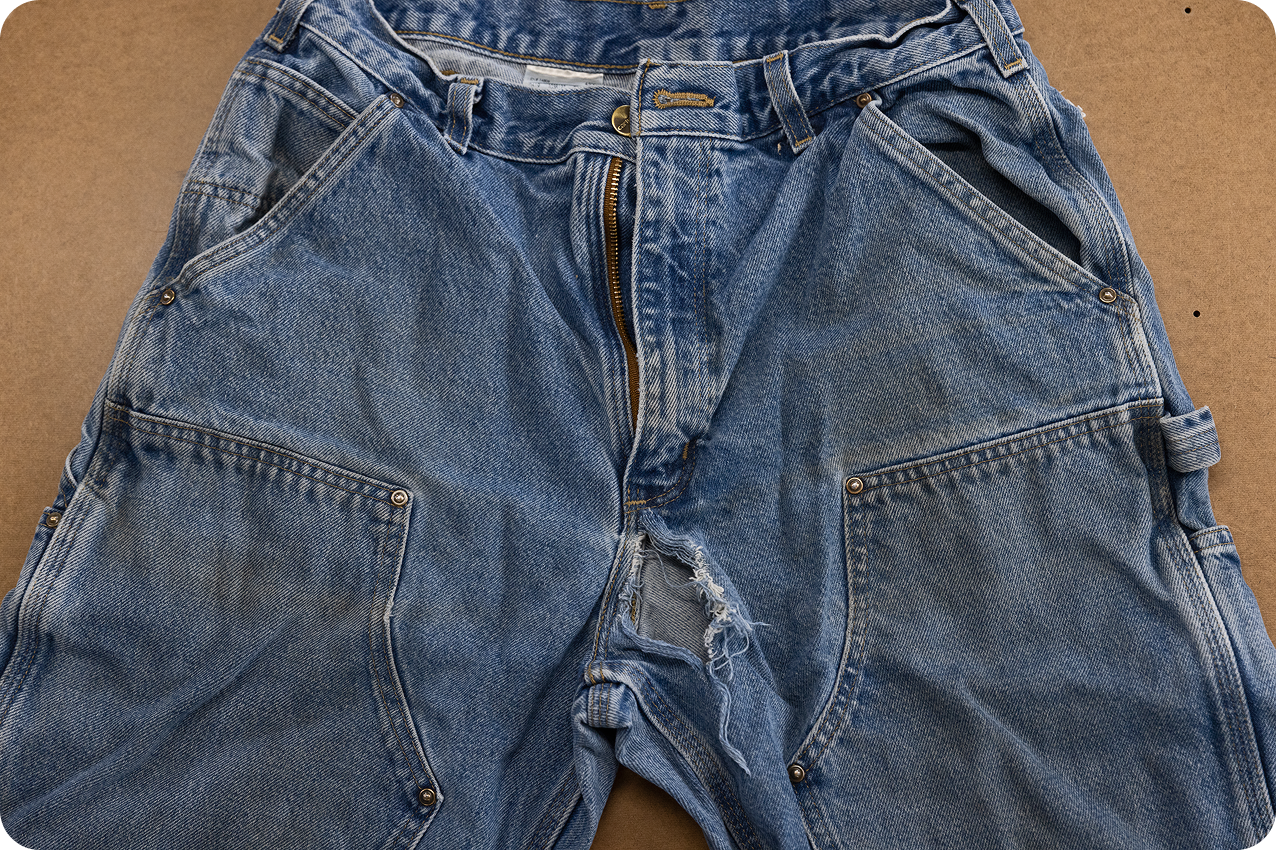
Repairing Your Work Pants
Even the most durable work pants will eventually show signs of wear. When that happens, small repairs can help keep them on the job.
Fixing things like minor holes, broken zippers, or loose buttons can keep your pants in rotation longer. Whether you handle repairs yourself or use Carhartt’s repair services on select styles, it’s a practical way to get more life out of your gear.
Repairing your workwear not only saves money over time, it also helps reduce waste by keeping usable gear out of the landfill.
Learn More About Repairs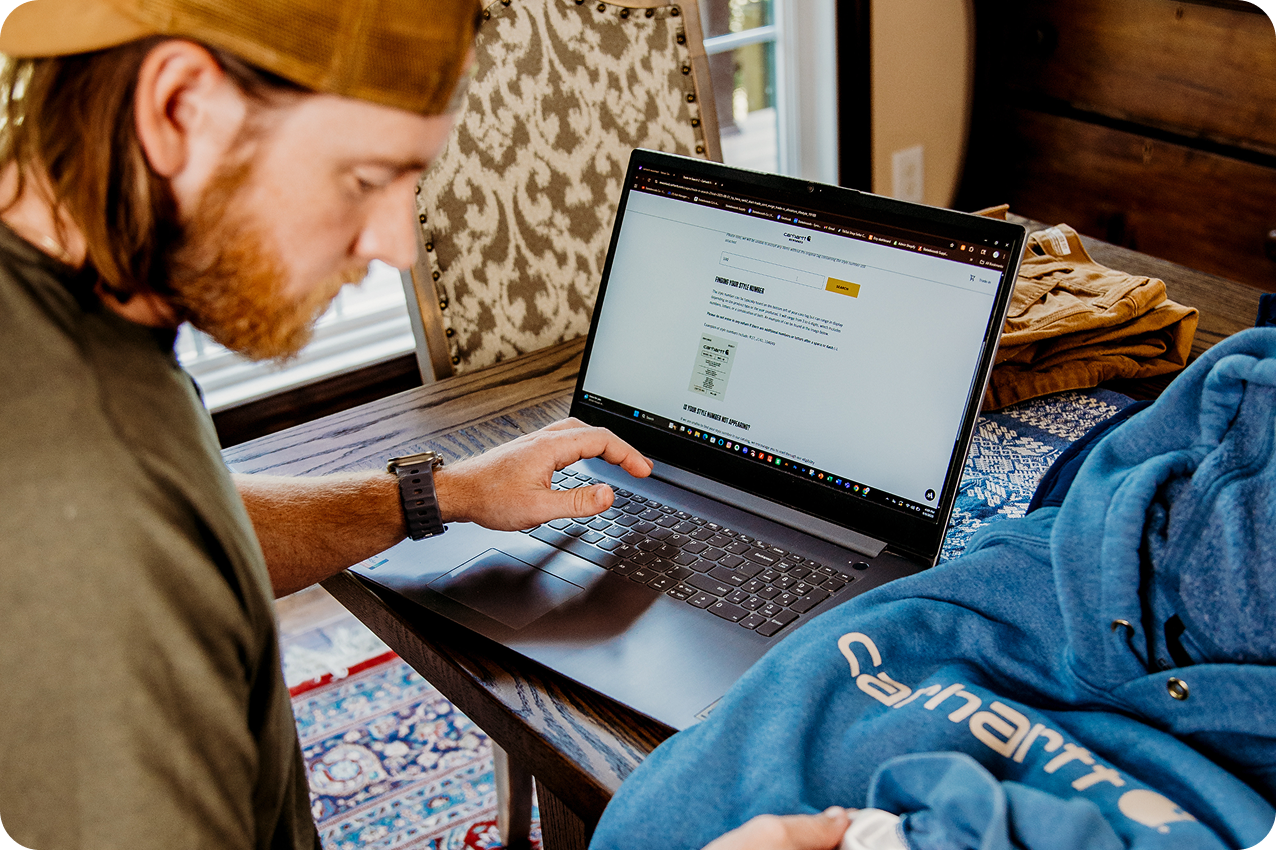
Trade-In and Reuse with Carhartt Reworked
If your work pants still have life left in them but aren’t part of your daily rotation, they may be eligible for trade-in through Carhartt Reworked.
This program allows you to receive credit for qualifying used gear while helping extend the life of each piece. It also gives you the option to shop pre-owned work pants that are still ready for the job.
It’s a simple way to keep durable workwear in circulation longer and reduce waste in the process.
Learn More About Reworked
Carhartt Men’s Work Pants FAQs
Carpenter pants, dungarees, work pants, and jeans are closely related, but each refers to a different style.
- Carpenter pants are a type of work pants designed with utility features for trades. They typically include details like a hammer loop and extra tool pockets, which make them functional for jobsite tasks.
- Dungarees are distinguished by not having a back yoke for added durability and comfort. Many but not all dungarees styles also include rounded-corner back pockets and slash front pockets.
- Jeans are defined by their denim fabric. While some jeans are made for work, they typically focus more on classic style and everyday wear rather than specialized utility features.
- Work pants is the broader term that includes carpenter pants, dungarees, and other durable styles built for demanding conditions.
In short, carpenter pants and dungarees are both types of work pants built for utility and jeans are distinguished by their denim construction rather than their features, while work pants refers to all styles collectively.
These are three of the most common workwear fabrics, and they’re each built differently.
Duck is a tightly woven cotton fabric known for its durability and resistance to wear in tough environments.
Canvas is similar but typically lighter or less rigid, offering a balance of durability and comfort.
Denim uses a twill weave, making it more flexible and easier to break in over time. Duck is usually the stiffest at first and breaks in over time, canvas offers all-day comfort, and denim provides versatility for both work and everyday wear.
Ripstop isn’t a fabric. It’s a construction method that uses a reinforced grid weave where thicker threads are woven into the material at regular intervals to help stop small tears from spreading. Ripstop fabrics are often lighter and more flexible, making them a good option for active work environments where movement matters.
Articulated knees are designed to move more naturally with your body. Instead of a straight cut through the leg, these pants use additional shaping or seams in the knee area to reduce pulling when you bend, kneel, or crouch. You’ll often find them in styles where mobility is a priority.
A gusseted crotch adds an extra panel of fabric between the legs to improve range of motion. This design reduces strain on the seams and allows for easier movement when squatting, climbing, or stepping up, especially in more active jobs.
Lifespan depends on the environment, frequency of use, and how the pants are maintained. Durable materials like duck, denim, and canvas are designed for long-term wear and can often stay in service longer with proper care and repairs.t