April 7, 2026
Rooted in Work: The Women of Ozark Green Roofs on the Job
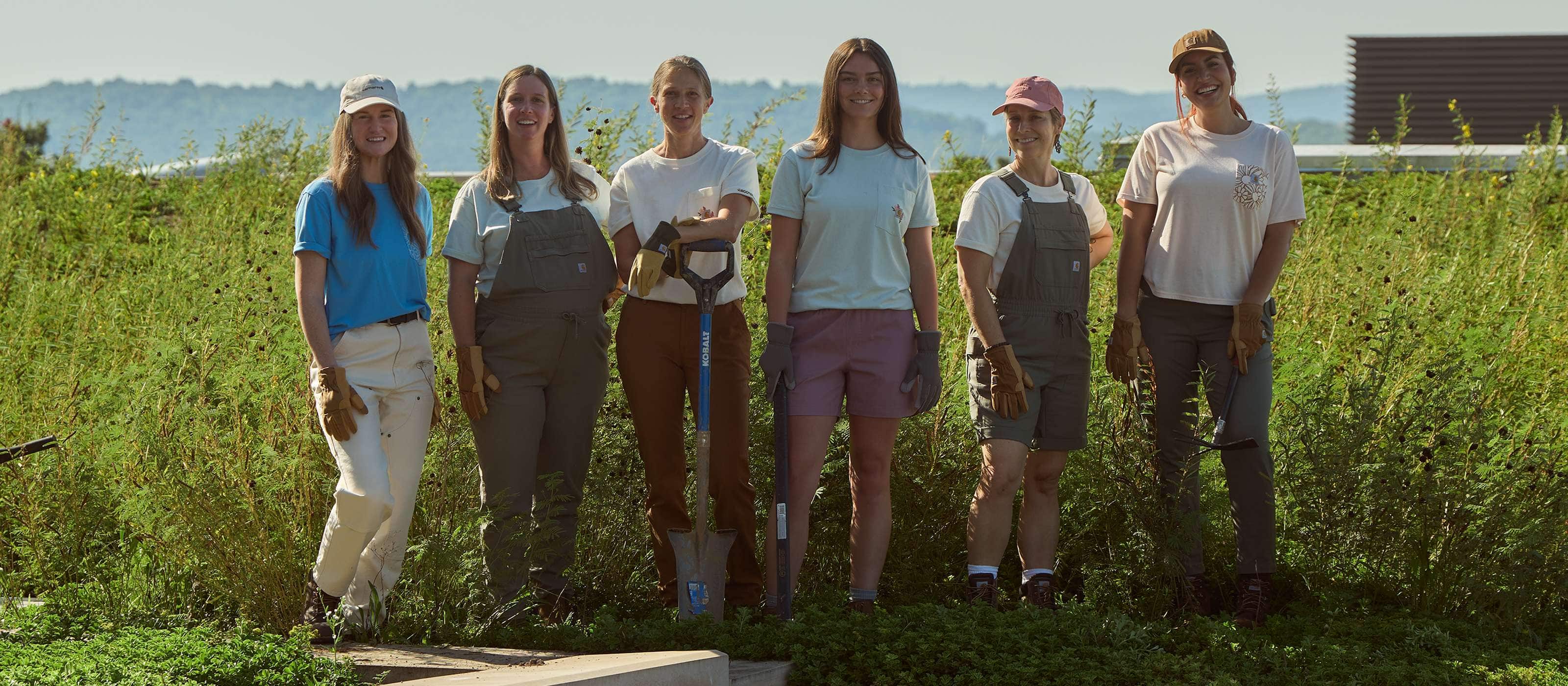
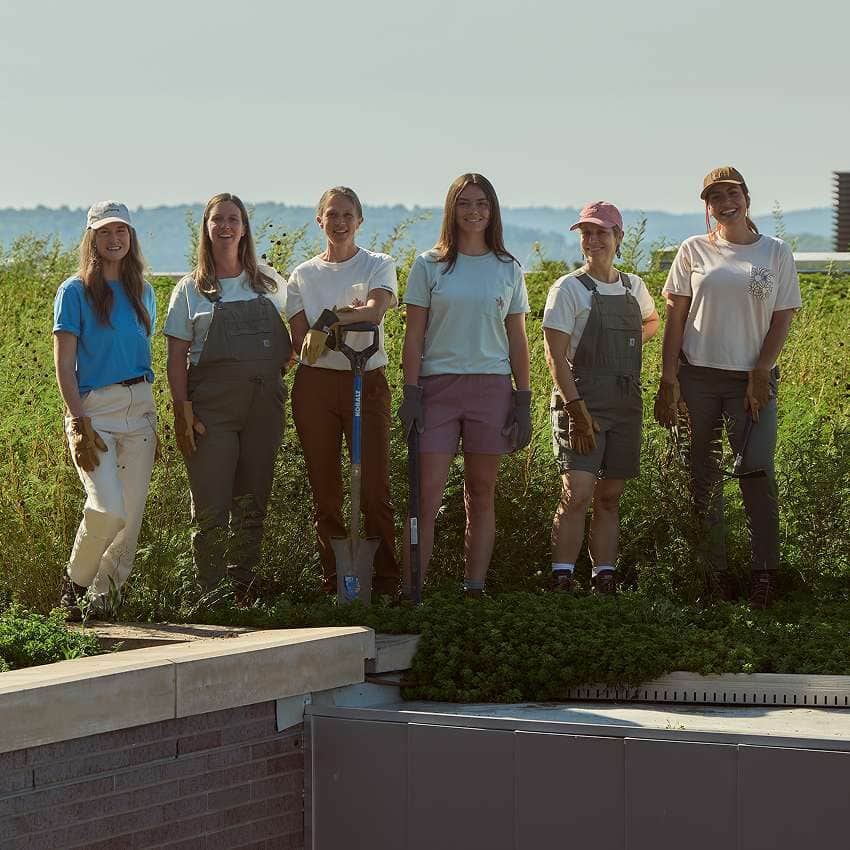
To introduce our new Rooted In Work series, we traveled to Fayetteville, Arkansas to meet the crew behind Ozark Green Roofs and see firsthand what it takes to install and maintain a 4,000-square-foot green roof.
Green roofs combine construction, landscaping, irrigation systems, and ecological design to transform traditional rooftops into living spaces filled with plants and vegetation. For large projects like this, the job means hauling soil by crane, installing drainage systems, planting vegetation, and maintaining rooftop ecosystems year-round.
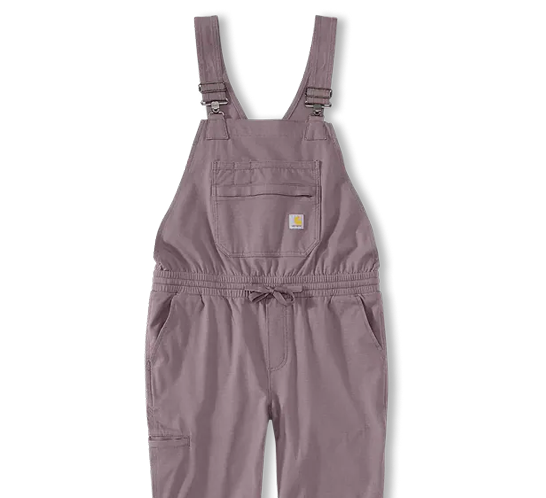
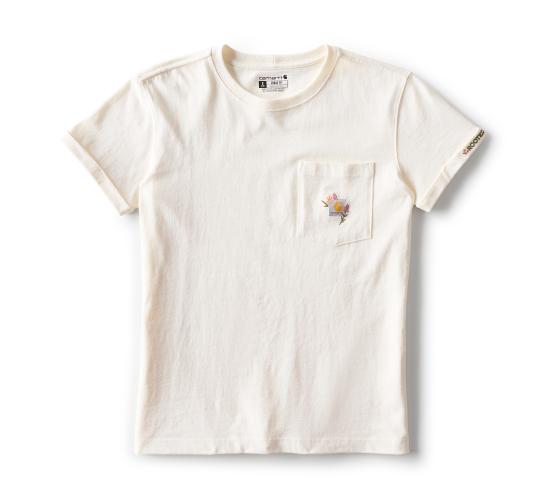
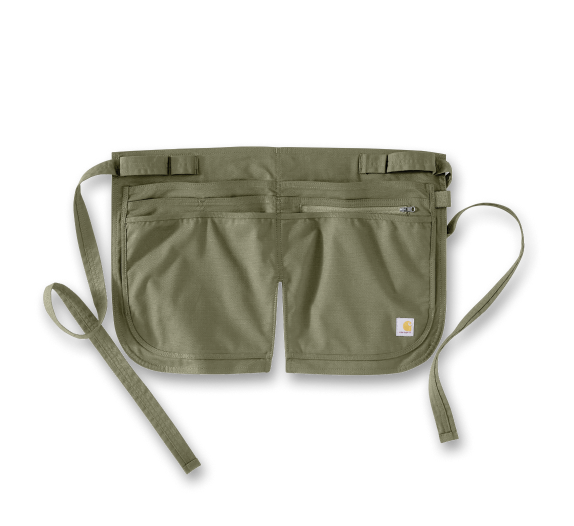
It’s demanding outdoor work in every season, and exactly the kind of environment where durable, breathable workwear like Carhartt’s Rooted In Work series matters.
What Is a Green Roof?
A green roof is a rooftop space designed to support plants, soil systems, and irrigation on top of a building. These systems typically include:
- Waterproof roofing membranes
- Root barriers and protection mats
- Drainage layers
- Engineered soil systems
- Irrigation infrastructure
- Vegetation suited to the local climate
Ozark Green Roofs designs and builds green roofs that seamlessly integrate architecture and ecology. Since launching the company in 2018, the team has completed 15 green roof projects across Northwest Arkansas, including one of the largest green roofs in the central United States.
Projects range from small residential installations around 40 square-feet to large commercial rooftop gardens spanning multiple acres.
Meet the Ozark Green Roofs Crew
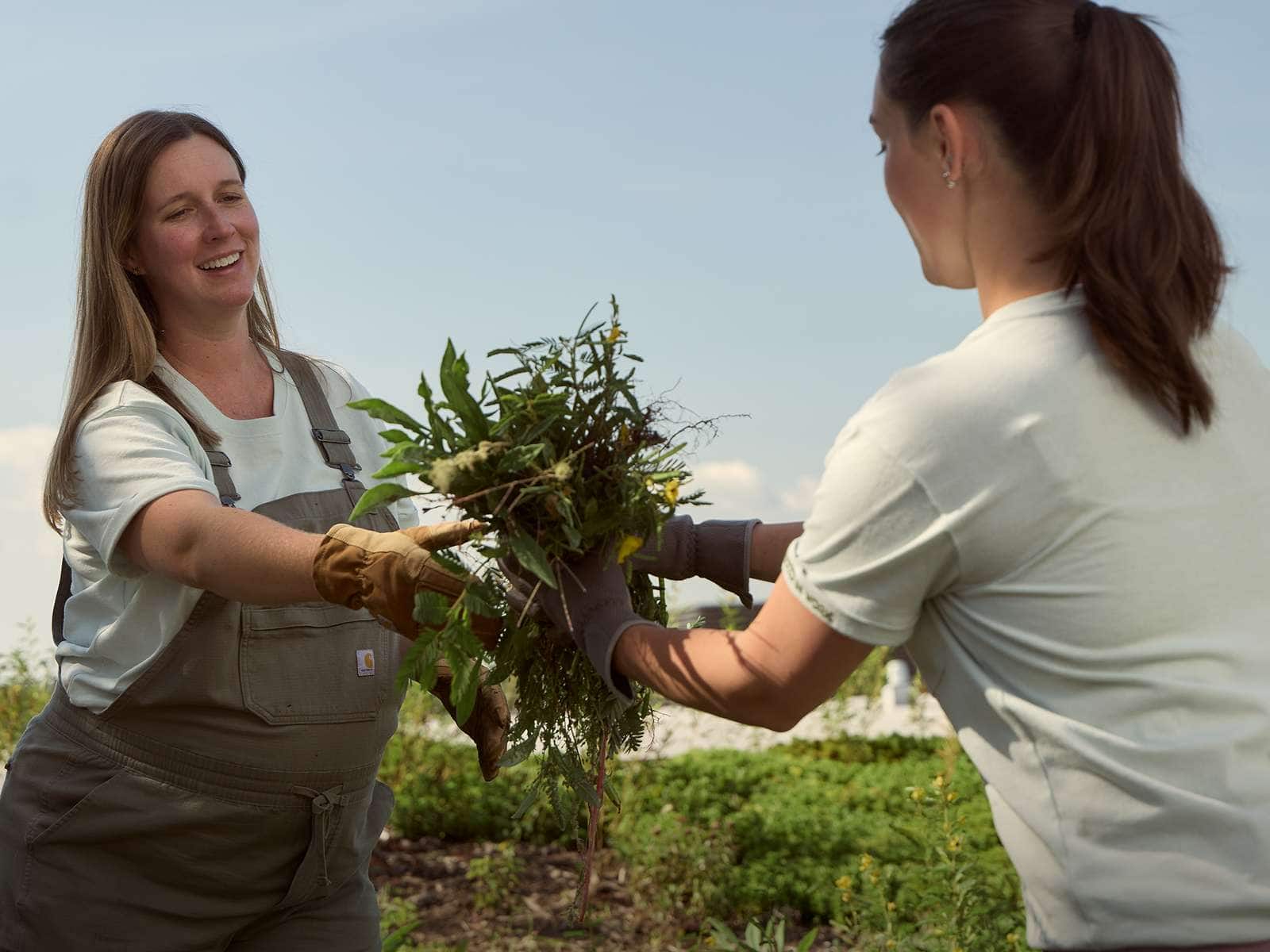
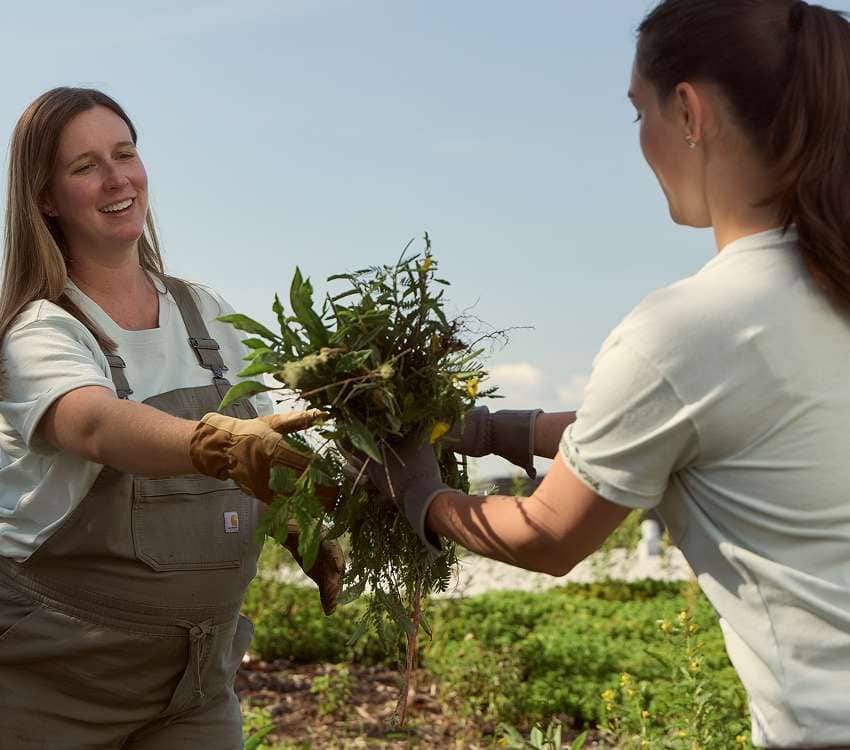

We live in Arkansas where there are four seasons. And just like the seasons of the year, there are seasons of life. I need these bibs to fit me in every season.

Lee Porter
Lee Porter, Founder & Owner
Lee Porter discovered green roofing while studying Landscape Architecture before founding Ozark Green Roofs in 2018.
Today, she oversees projects across Northwest Arkansas while balancing the realities of field work and life outside the jobsite.
When we met Lee in Fayetteville, she was eight months pregnant and still working onsite, testing gear that could keep up with the demands of both work and every day life.
I love working with Lee. If you ever get the chance to meet her, you’re lucky. She brings a little softness to the construction field, but still gets the job done.
Emily Tilbury
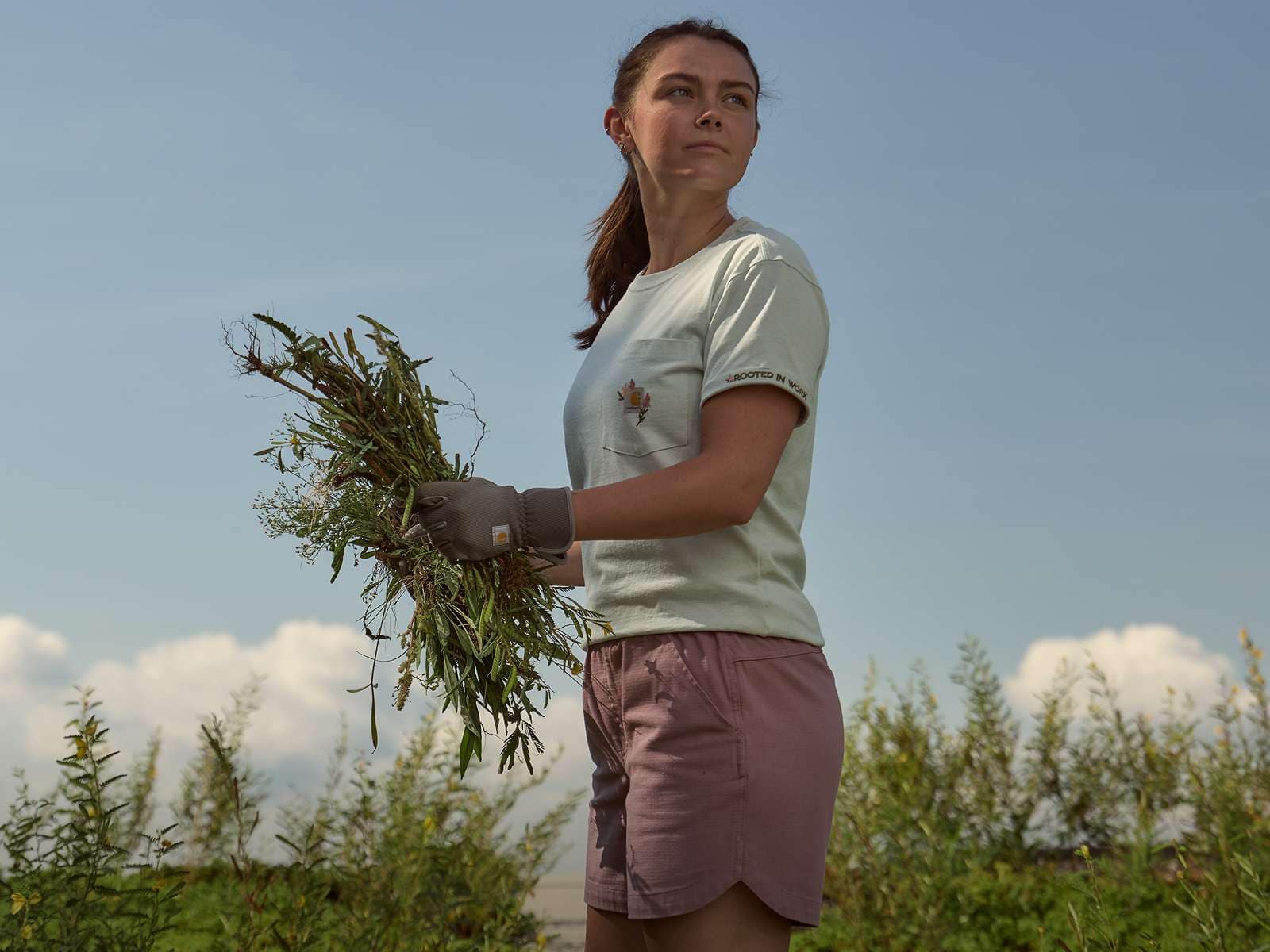
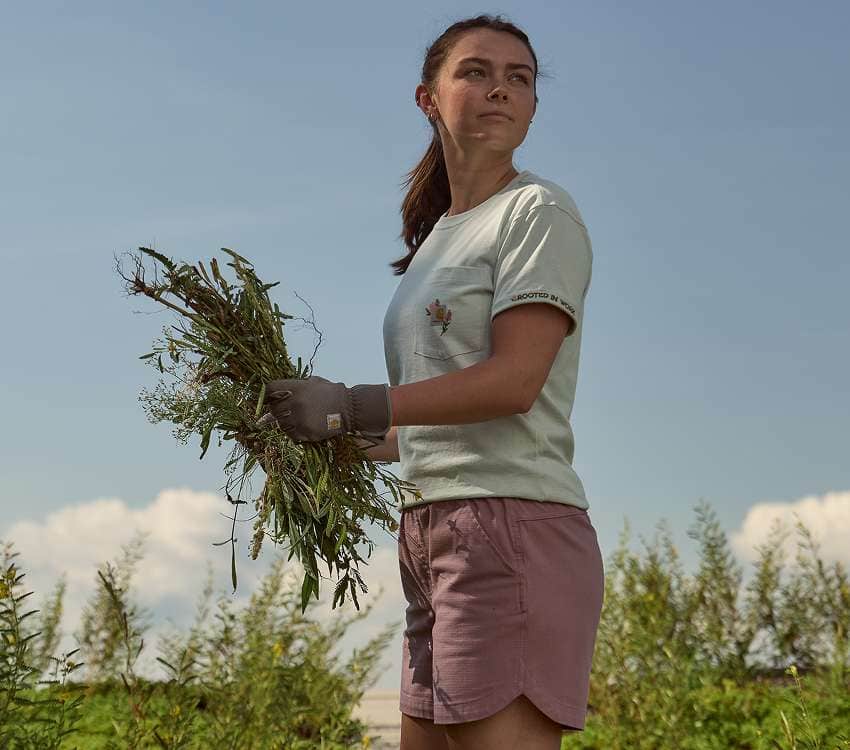
Emily Tilbury, VP of Operations
Emily grew up in a construction family, studied business in college, and always had a passion for landscaping.
As VP of Operations at Ozark Green Roofs Emily manages projects and works alongside Lee in the field.
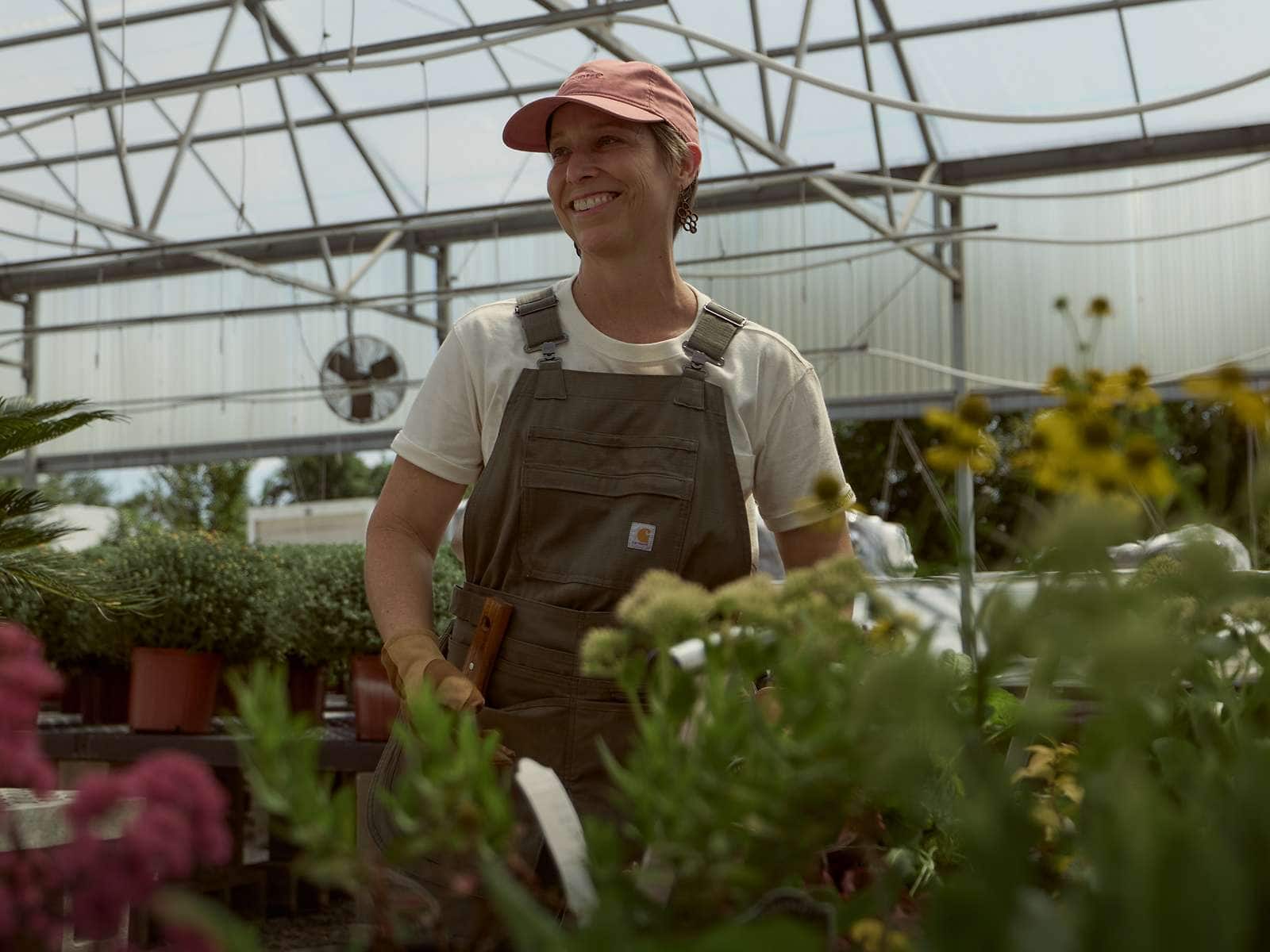
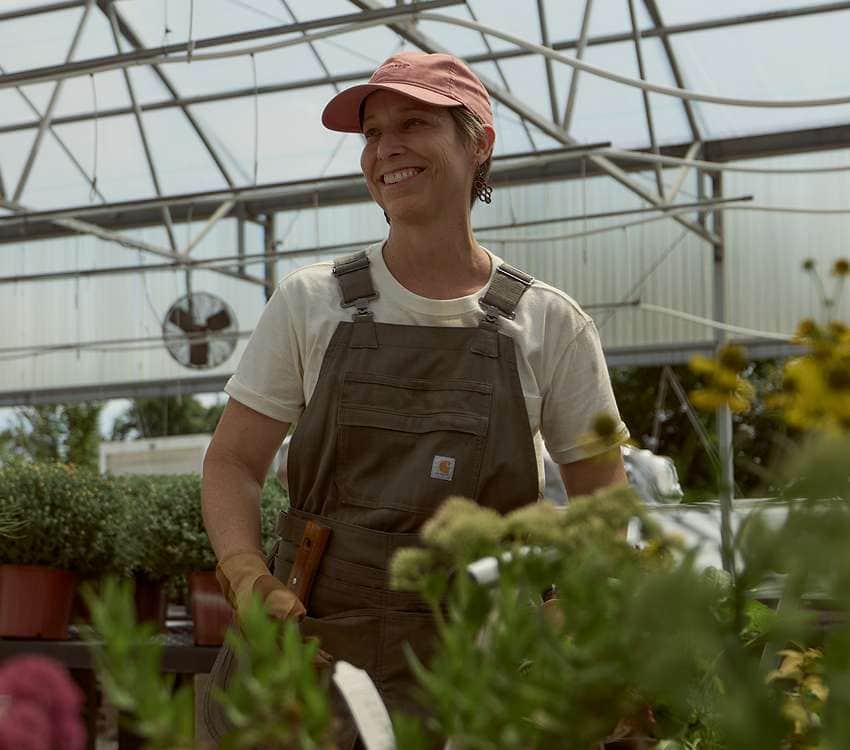
What I love about gardening is being outside in nature. Starting from a little seed and growing something you can actually eat. I love knowing where my food comes from.
Fran B. Free
Fran B. Free, Board of Advisors
Fran is a fifth-generation farmer with two agriculture degrees from the University of Arkansas and a gardening entrepreneur focused on using U.S. agricultural products.
Her lifelong passion for gardening shapes her work advising and working on site with the Ozark Green Roofs team.
How Are Green Roofs Installed?
Every green roof project is different depending on the building design and the surrounding ecosystem. For the Fayetteville project we visited, the installation process included several key steps:
- Structural planning The green roof team worked with contractors early in the construction phase to ensure the building structure could support the additional weight.
- Waterproofing and drainage Specialized waterproof membranes and drainage layers were installed to protect the building and manage water flow.
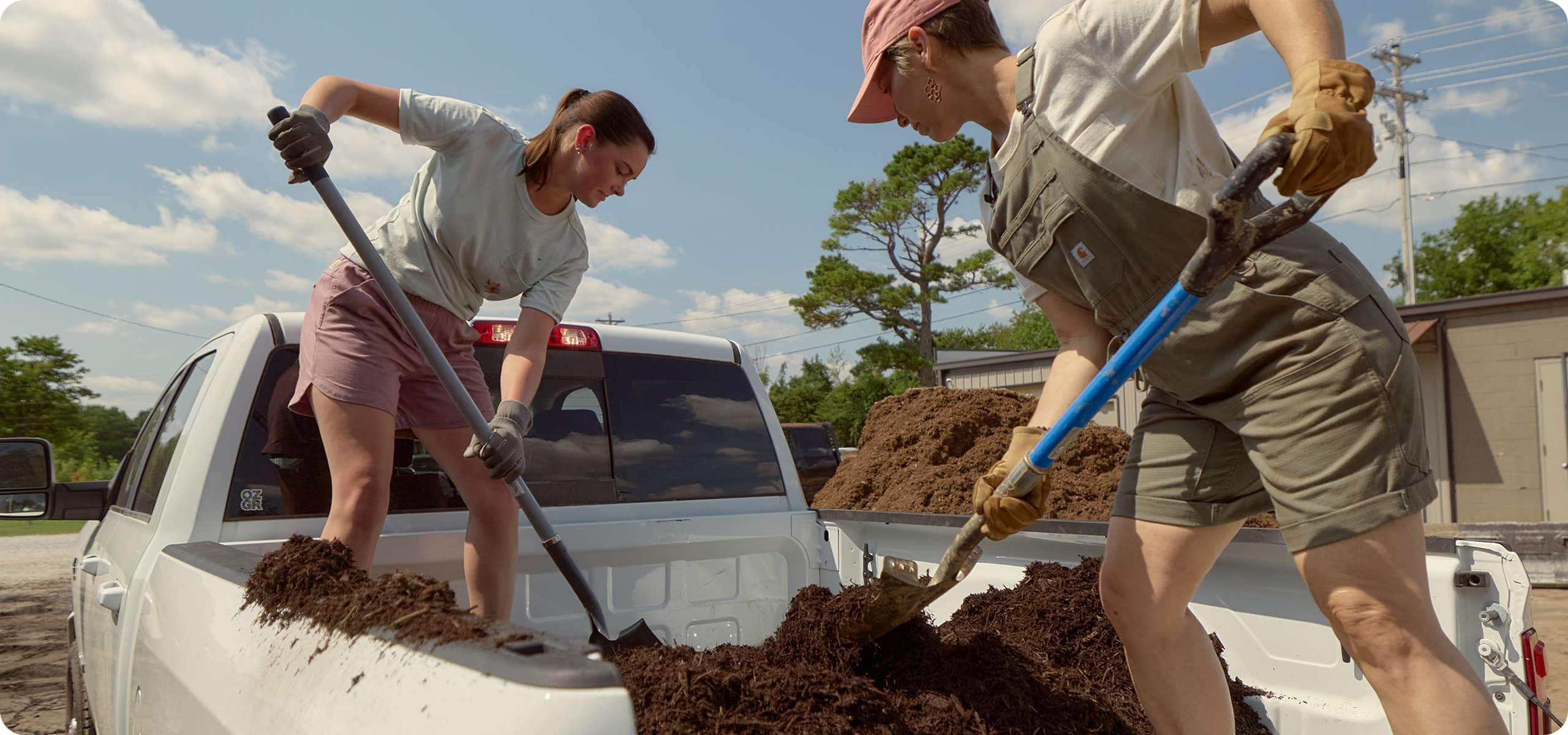
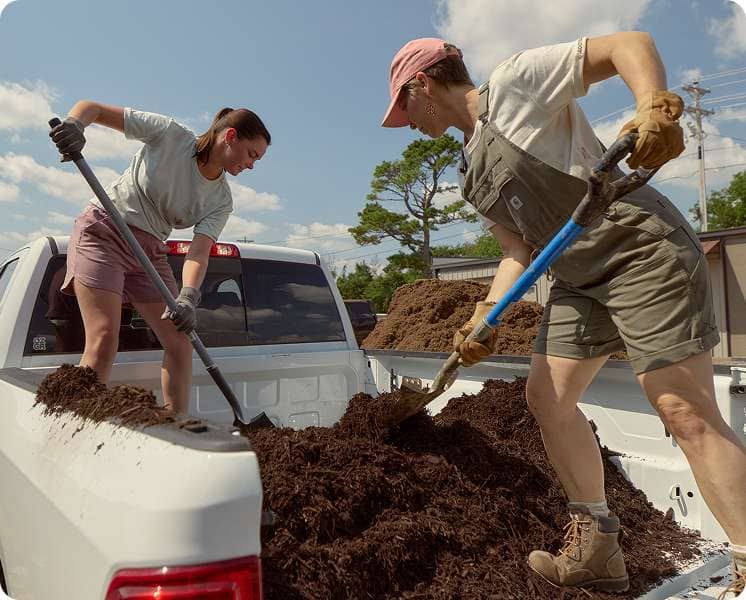
- Soil and growing systems Engineered soil was delivered by truck and lifted to the roof using a crane before being distributed by wheelbarrow.
- Irrigation and planting Irrigation systems and vegetation suited to the Arkansas climate were installed.
- Ongoing maintenance Like any garden or landscape, green roofs require seasonal care including watering, pruning, and soil management.
What Are the Benefits of Green Roofs?
Green roofs provide environmental, structural, and wellness benefits for buildings and communities.
- Cooling urban environments Vegetation helps reduce the urban heat island effect by lowering rooftop surface temperatures.
- Supporting wildlife habitats Green roofs create habitats for pollinators like bees, butterflies, moths, and birds.
- Improving stormwater management Soil systems absorb rainwater and reduce stormwater runoff and erosion.
- Enhancing mental wellbeing Access to greenery in dense urban areas has been shown to improve mood and overall wellbeing.
What Makes Green Roof Work Challenging?
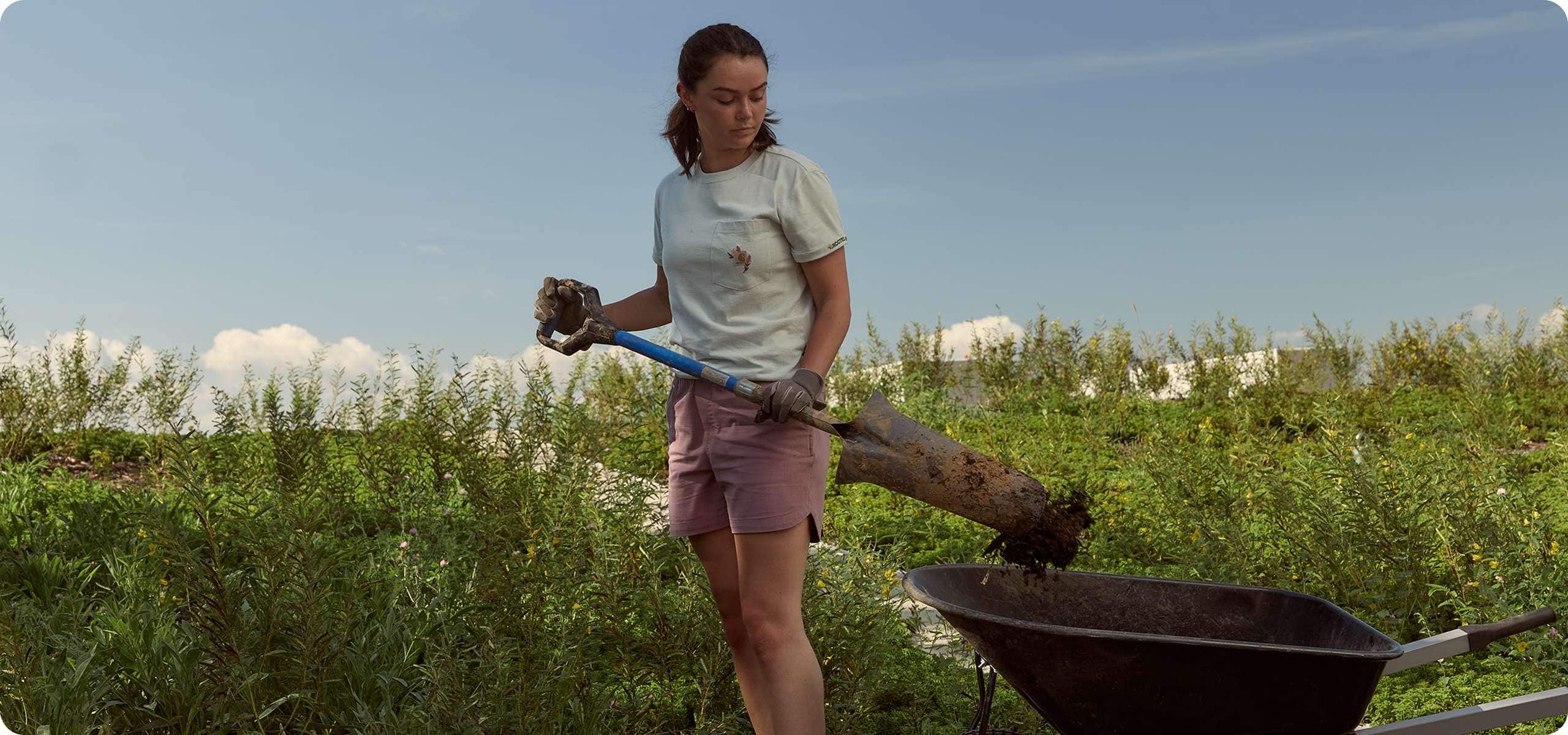
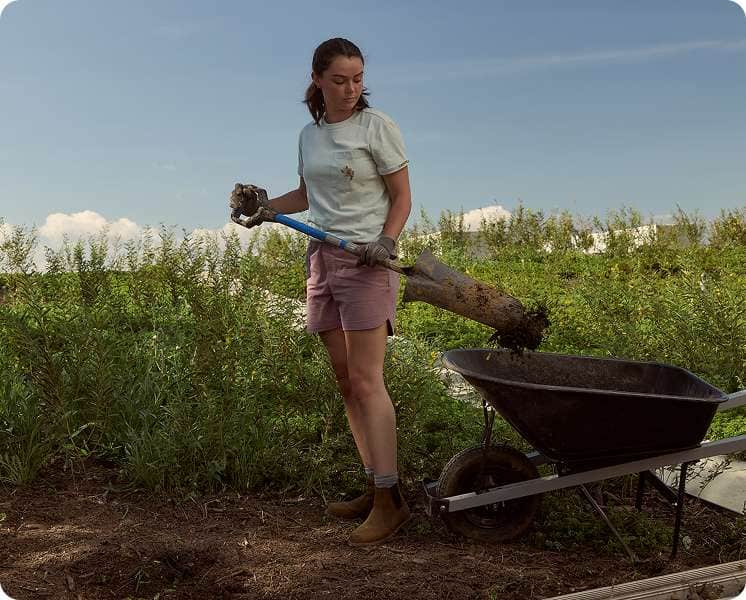
Installing and maintaining green roofs requires long hours outdoors and physically demanding labor.
In Arkansas, crews work through hot summers, cold winters, and humid conditions while moving heavy materials.
To stay comfortable, the Ozark Green Roof team relies on lightweight, durable workwear designed for mobility and airflow.
How to Start a Garden at Home
Interested in gardening but not quite ready to build a rooftop ecosystem?
Fran recommends starting small and thinking locally, “Your first stop should be your local plant nursery.”
Local experts can help you understand your plant hardiness zone, choose plants suited to your climate, and learn basic care techniques.
Her beginner recommendation:
Start with herbs.
Herbs are easy to grow and provide a quick way to bring fresh ingredients from your garden to your kitchen.
From there, gardeners can expand into vegetables, pollinator gardens, or larger landscape projects.
New Rooted in work series
Built from the ground up
New spring gear designed to move, breathe, and dig in.